How Much is My Autoharp/Chromaharp Worth? |
  |
| 


| How Much is My Autoharp/Chromaharp Worth?If you tracked down this article down, it's likely that an autoharp has come into your possession, and you're wondering about its value.A few things you should know:
Why No Dollar Values? The average asking price for used modern autoharps in good condition has gone up about 30% since I wrote the first version of this article about eight years ago. But the differences from region to region have even more impact on the potential value of what you have to sell. What Are People Looking For?Since most people looking for autoharps are looking for something to play, or at least to learn on, that means that they're looking for
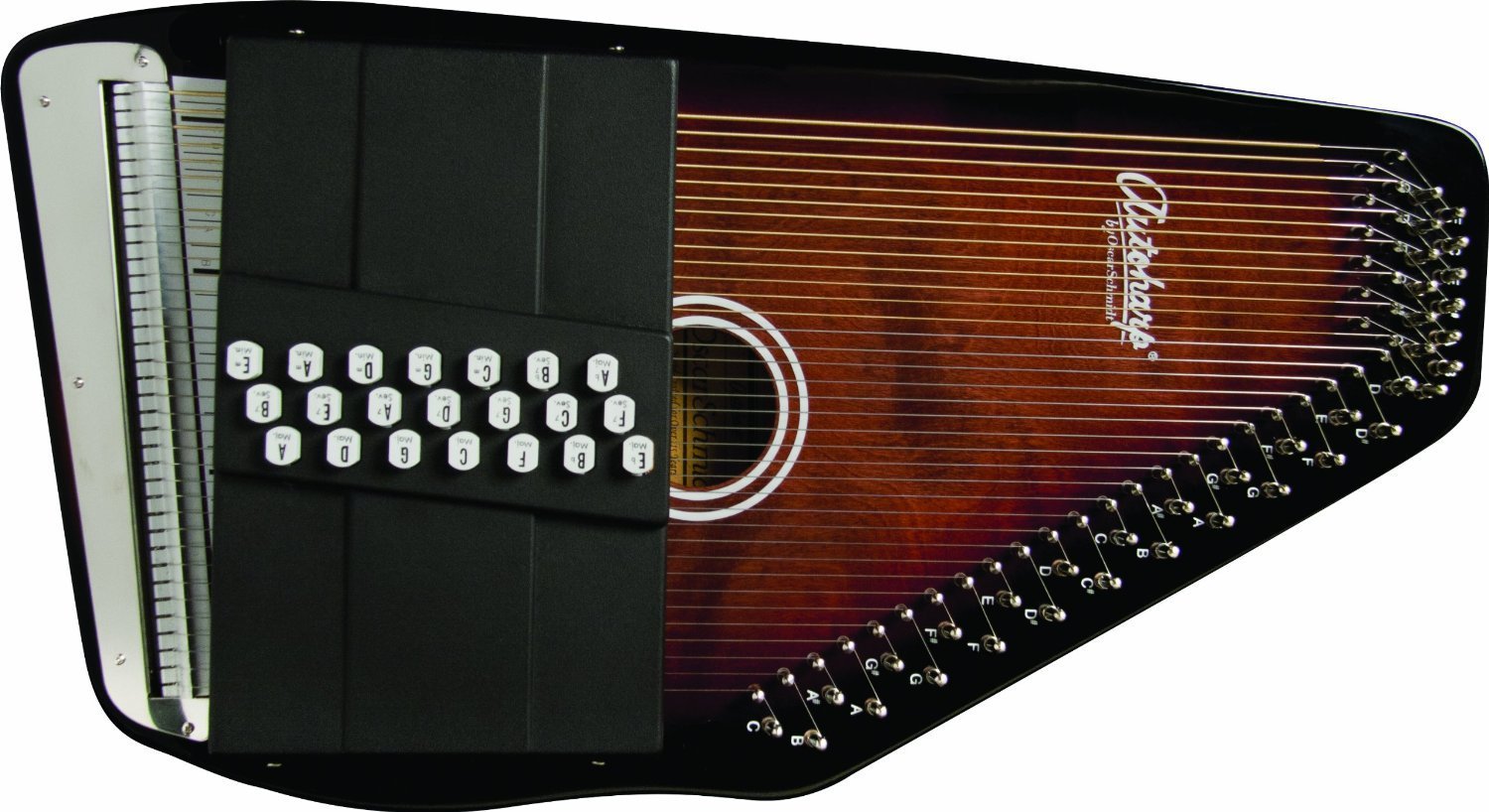
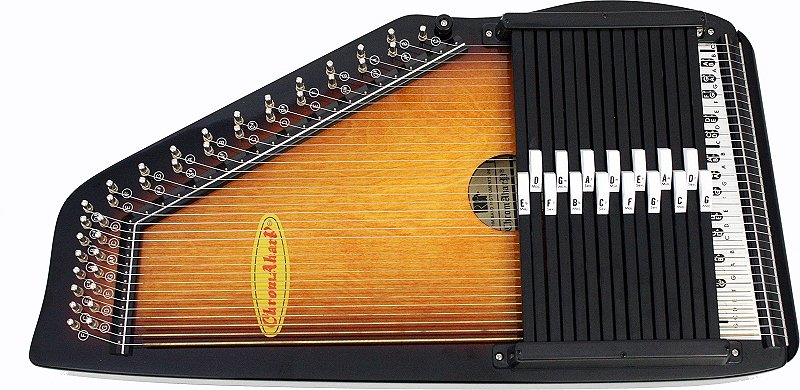
So typically a like-new entry-level 21-chord Oscar Schmidt (OS-21C) will go for more than a like-new 21-chord Chromaharp. A like-new 15-chord Oscar Schmidt (OS-15b) will go for more than a like-new 15-chord Chromaharp. The following table shows the typical comparative resale value for the four entry-level autoharps we're discussing.
Of the four autoharps shown above, only one has "upgrade" models - the Oscar Schmidt 21-chorders. Those will typically have a higher resale value than OS21-s the base 21-chorder. However, they will mostly appeal to folks who already play autoharp, so it's a smaller market, and you might not find good buyers locally. That's even more true for luthier-built, custom autoharps. Oscar Schmidt autoharps without the sunburst are generally much older, and less likely to have good strings and felts, but if they're still in "like-new" condition, you should be okay (especially if they're Made in USA and you have an informed buyer). Also, If you happen to have an upgrade or custom instrument, you may find buyers who are willing to overlook more scratches, etc. to get a better-sounding or better-playing instrument for a reduced price. The Acid TestThe price range you might expect to get for an autoharp locally, even a like-new 'harp, depends largely on where you live. People who live where there is a large active acoustic or traditional music community might be more interested in what you have. Where I live (near Springfield, Ohio), only a handful of people are even interested in such things, and there's almost no market. But you can check things like Craig's List and Facebook Marketplace to see what people are asking locally. If a similar autoharp stays posted for more than a couple weeks, you can assume that's the maximum you could possibly get locally. The national market is easier to figure, because of auction sites like eBay. Figure out what kind and condition of autoharp you have, then put a "watch" on any similar instruments on eBay. Don't look at what folks are asking - look at what the things actually sell for. In the Midwestern US, where I live, modern 15-chorders in excellent condition are typically listed for about a half of what an equivalent new instrument would cost, and typically go for less. 21-chorders in excellent condition are typically listed for about 2/3 of what an equivalent new autoharp would cost. They tend to move slower, so it's hard to say how much people come down in price. In other parts of the world, the math changes significantly. But the relationhip - 21-chorders holding their value better than 15-chorders - usually holds. If you have an old black autoharp that still plays well, you may get some money out of it, though much less than you'd get from a modern instrument. If your autoharp has significant cosmetic damage, or is missing felts or strings, you will get much, much less, unless it's an upgrade Made-In-USA autoharp with no warping or cracks; then a seasoned harper may be interested in restoring it. But, again, you won't get "real money" out of it. If you have a truly odd-ball instrument, eBay may be your best bet, because chances of selling it to anyone local are lower than the chance of someone in another state wanting one. Again, joining multiple online autoharp forums just to find the "value" of your instrument will not give you better guidelines than this article. The people who actually "know their stuff" know not to give specific answers unless they have the instrument in their hands. And many of us have gotten "burned" by folks who imagine some cherished family relic will put their kids through college, and who become angry and abusive when they learn that it's worth less than a good restaurant meal. Beware of Scammers: One scammer advertises "autoharp appraisals." He'll charge you money to do what I just told you how to do for yourself, and generally he'll overvalue your instrument to make you feel better, as most antique appraisers do. But that doesn't actually help you learn what you want to know. ConclusionIf nothing else, this article, may help you compare "apples to apples" when you are trying to figure out the potential cash value of an autoharp or related instrument that has come into your possession.If your autoharp came to you from a beloved family member, it is certainly worth a lot more to you than the dollar value it will probably get if listed for sale. But when it comes to commercial transactions, other considerations enter the equation. I hope this article will help you to figure out what you need to know about the value of your instrument, even if you're just curious about a family heirloom you'd never dream of selling off. Best of luck!
And please stay in touch! - Paul Race
>
|
|
All material, illustrations, and content of this web site is copyrighted ? 2001, 2002, 2003, 2004, 2005, 2006, 2007, 2008, 2009,
Note: Creek Don't Rise (tm) is Paul Race's name for his resources supporting the history and music of the North American Heartland as well as additional kinds of acoustic and traditional music. For questions, comments, suggestions, trouble reports, etc. about this page or this site, please contact us.
| |||||||||||||||||||||||||||||||||||||||||||||||||||||||||||||||||||||||||||||